Incident Detection and Response (IDR): A Comprehensive Guide

Imagine navigating through a bustling city without traffic signals or emergency services. The chaos and potential for accidents would be overwhelming. In the digital realm, incident detection and response (IDR) serves as the crucial traffic signals and emergency response, ensuring the smooth operation of an organization’s IT infrastructure. With cyber threats becoming increasingly sophisticated, the importance of robust incident detection and response mechanisms cannot be overstated. This article explores the fundamentals of IDR, its benefits, key components, and best practices for implementation.
Understanding Incident Detection and Response (IDR)
Incident Detection and Response refers to the processes and technologies used to identify, analyze, and respond to security incidents in real-time. Effective IDR helps organizations minimize the impact of security breaches, ensuring business continuity and data integrity.
Key Concepts in IDR
- Incident Detection:
- The process of identifying potential security incidents through continuous monitoring and analysis of network traffic, logs, and system activities.
- Utilizes tools like Intrusion Detection Systems (IDS), Security Information and Event Management (SIEM) systems, and threat intelligence platforms.
- Incident Response:
- The actions taken to mitigate the effects of a security incident once detected.
- Involves steps such as identification, containment, eradication, recovery, and lessons learned.
Importance of Incident Detection and Response
- Minimizing Damage:
- Early detection and swift response can significantly reduce the damage caused by cyber incidents.
- Helps prevent data breaches, financial losses, and reputational damage.
- Compliance:
- Many regulatory frameworks, such as GDPR, HIPAA, and PCI-DSS, require robust IDR mechanisms.
- Ensures compliance with legal and industry standards, avoiding penalties and legal issues.
- Enhanced Security Posture:
- Continuous monitoring and analysis help organizations stay ahead of emerging threats.
- Enhances overall security posture and resilience against cyber attacks.
Key Components of Incident Detection and Response
1. Detection Tools and Technologies
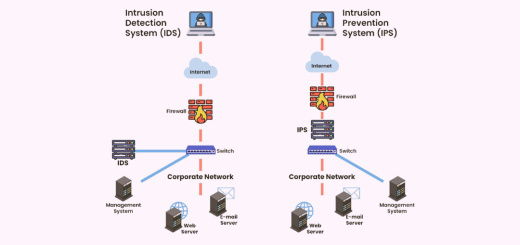
- Intrusion Detection Systems (IDS):
- Monitors network traffic for suspicious activities and alerts security teams.
- Can be network-based (NIDS) or host-based (HIDS).
- Security Information and Event Management (SIEM):
- Aggregates and analyzes log data from various sources to identify potential threats.
- Provides real-time visibility and historical analysis.
- Endpoint Detection and Response (EDR):
- Monitors endpoints (computers, mobile devices) for malicious activities.
- Offers advanced threat detection and automated response capabilities.
2. Incident Response Team (IRT)
- A dedicated team responsible for managing and responding to security incidents.
- Typically includes roles such as incident responders, forensic analysts, and communication specialists.
- Ensures coordinated and efficient response to incidents.
3. Incident Response Plan (IRP)
- A documented plan outlining the procedures for detecting, responding to, and recovering from security incidents.
- Includes steps such as identification, containment, eradication, recovery, and lessons learned.
- Ensures a structured and consistent response to incidents.
Best Practices for Effective Incident Detection and Response
1. Continuous Monitoring and Analysis
- Implement continuous monitoring of network traffic, logs, and system activities.
- Utilize advanced analytics and machine learning to identify anomalies and potential threats.
2. Regular Training and Awareness
- Conduct regular training sessions for employees on recognizing and reporting security incidents.
- Raise awareness about phishing, social engineering, and other common attack vectors.
3. Automation and Orchestration
- Leverage automation and orchestration tools to streamline incident detection and response processes.
- Reduces response times and minimizes human errors.
4. Threat Intelligence Integration
- Integrate threat intelligence feeds into detection and response systems.
- Provides context and enhances the ability to identify and respond to emerging threats.
5. Regular Testing and Drills
- Conduct regular tests and drills to ensure the effectiveness of the incident response plan.
- Helps identify gaps and areas for improvement.
Case Study: Effective IDR Implementation
Company XYZ: A multinational corporation implemented a robust IDR framework using a combination of SIEM, EDR, and threat intelligence platforms. By continuously monitoring their network and conducting regular training sessions, they were able to detect and respond to a ransomware attack within minutes, preventing significant data loss and financial damage.
Conclusion
In the ever-evolving landscape of cyber threats, having a robust incident detection and response framework is paramount. By understanding the key concepts, benefits, and best practices of IDR, organizations can enhance their security posture, ensure compliance, and protect their digital assets effectively. Remember, the key to effective IDR lies in continuous monitoring, regular training, and leveraging advanced technologies.