Security Operations Center (SOC): Cybersecurity Backbone

In an increasingly interconnected world, cybersecurity has become a paramount concern for organizations of all sizes. At the heart of effective cybersecurity strategies lies the Security Operations Center (SOC). A SOC is a centralized unit that deals with security issues on an organizational and technical level. In this article, we will explore what a SOC is, its importance, how it functions, and its various components. This comprehensive guide will provide valuable insights into why having a SOC is crucial for modern businesses.
Introduction: The Unseen Guardians
Imagine a team of highly skilled professionals working around the clock, vigilantly monitoring an organization’s digital landscape, ready to respond to any threat at a moment’s notice. These unseen guardians form the Security Operations Center (SOC), the nerve center of an organization’s cybersecurity defenses. As cyber threats evolve in complexity and scale, the role of a SOC has never been more critical.
What is a Security Operations Center (SOC)?
A Security Operations Center (SOC) is a facility that houses an information security team responsible for monitoring and analyzing an organization’s security posture on an ongoing basis. The SOC team’s goal is to detect, analyze, and respond to cybersecurity incidents using a combination of technology solutions and a strong set of processes. SOCs are typically staffed with security analysts and engineers, as well as managers who oversee security operations.
Importance of a SOC
1. Continuous Monitoring
One of the primary benefits of a SOC is its ability to provide 24/7 monitoring of an organization’s IT infrastructure. This continuous vigilance helps in early detection and rapid response to potential threats, thereby minimizing the damage and ensuring the integrity of critical systems.
2. Incident Response
When a security incident occurs, the SOC is the frontline responder. With a well-defined incident response plan, the SOC can quickly identify, contain, and mitigate the impact of the threat, reducing downtime and preventing data loss.
3. Compliance and Reporting
Many industries are subject to stringent regulatory requirements regarding data security and privacy. A SOC helps organizations meet these compliance requirements by maintaining logs, generating reports, and providing evidence of security measures and incident handling.
4. Threat Intelligence
A SOC continuously collects and analyzes data from various sources to understand the threat landscape better. This threat intelligence is used to anticipate potential attacks and proactively strengthen defenses.
Key Components of a SOC
1. People
The human element is the most crucial component of a SOC. A typical SOC team includes:
- Security Analysts: They are the frontline defenders who monitor systems, analyze alerts, and take action when a threat is detected.
- Security Engineers: They design and implement security solutions, ensuring that the organization’s defenses are robust and up-to-date.
- SOC Manager: The SOC manager oversees the operations, manages the team, and ensures that the SOC meets its objectives.
2. Processes
A SOC operates based on well-defined processes and procedures, which include:
- Incident Response Plan: A documented process outlining the steps to take during a security incident.
- Standard Operating Procedures (SOPs): Detailed guidelines on how to handle routine tasks and incidents.
- Threat Hunting: Proactively searching for potential threats that have not yet been detected by automated tools.
3. Technology
The technological backbone of a SOC includes:
- Security Information and Event Management (SIEM): A SIEM system aggregates and analyzes activity from many different resources across the IT infrastructure.
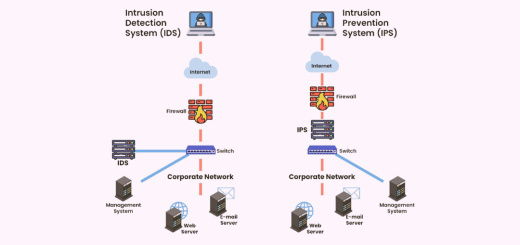
- Intrusion Detection Systems (IDS) and Intrusion Prevention Systems (IPS): These systems monitor network traffic for malicious activity and take action to prevent intrusions.
- Endpoint Detection and Response (EDR): EDR tools monitor and respond to threats on endpoints like workstations and servers.
The SOC Workflow
The workflow within a SOC can be broken down into several stages:
- Detection: Using SIEM, IDS/IPS, and other tools, the SOC monitors network traffic and system activity for signs of potential threats.
- Analysis: When a potential threat is detected, analysts investigate to determine its nature and severity.
- Response: If a threat is confirmed, the SOC takes action to mitigate it. This could involve isolating affected systems, applying patches, or conducting a thorough investigation to understand the scope of the incident.
- Recovery: After the threat is neutralized, the SOC helps restore normal operations, ensuring that systems are secure before they go back online.
- Post-Incident Review: The SOC conducts a review of the incident to understand what happened, how it was handled, and what can be improved in the future.
Real-World Applications of SOC
Case Study: Financial Institutions
Financial institutions are prime targets for cybercriminals due to the sensitive nature of the data they handle. A robust SOC enables these organizations to monitor transactions in real-time, detect suspicious activities, and respond swiftly to prevent fraud and data breaches.
Case Study: Healthcare Sector
The healthcare sector handles vast amounts of personal and medical data, making it a lucrative target for cyberattacks. SOCs in healthcare organizations ensure that patient data is protected, compliance requirements are met, and operations continue without disruption.
Challenges in Operating a SOC
1. Talent Shortage
Finding and retaining skilled cybersecurity professionals is a significant challenge for SOCs. The demand for these experts far exceeds the supply, leading to high competition and turnover rates.
2. Alert Fatigue
SOCs often deal with a high volume of alerts, many of which are false positives. This can lead to alert fatigue, where important alerts are overlooked because the team is overwhelmed.
3. Evolving Threat Landscape
Cyber threats are constantly evolving, requiring SOCs to continually update their tools, processes, and skills to stay ahead of attackers.
Future Trends in SOCs
1. Automation and AI
Automation and artificial intelligence (AI) are transforming SOC operations. AI can analyze vast amounts of data faster than humans, identify patterns, and even respond to certain types of threats autonomously. This helps SOCs manage the volume of alerts and respond more quickly to incidents.
2. Integration with DevSecOps
Integrating security operations with development and operations (DevSecOps) ensures that security is considered at every stage of the software development lifecycle. This proactive approach helps in identifying and mitigating vulnerabilities early.
3. Cloud Security
As organizations move to the cloud, SOCs must adapt to monitor and protect cloud environments. This includes understanding cloud-specific threats and deploying appropriate security measures.
Conclusion: The Backbone of Cyber Defense
Security Operations Centers (SOC) are the backbone of an organization’s cybersecurity defenses. They provide continuous monitoring, rapid incident response, and proactive threat intelligence, ensuring that businesses can operate securely in an increasingly digital world. By investing in a robust SOC, organizations can protect their assets, comply with regulations, and gain the trust of their customers and stakeholders.